

French Regions to Consider for Your Move to France
Richard Hammond-Chambers-Borgnis · 19 August 2026
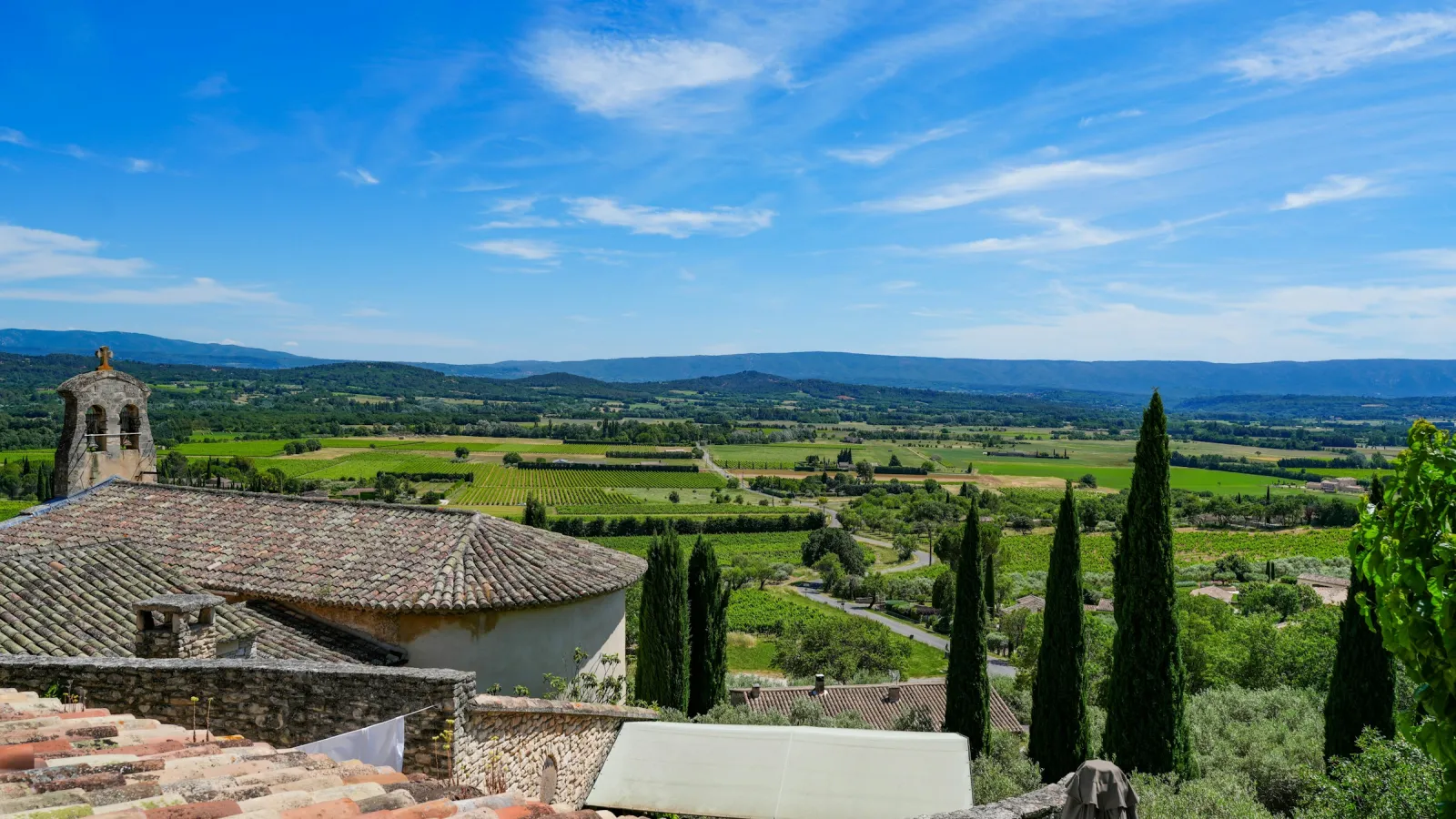
Ask ten people where you should live in France and you will get ten confident, contradictory answers. That is because there is no single best place, only the best place for the life you actually want to live. Metropolitan France has been organised into 13 regions since 2016, and they differ enormously in climate, cost, transport links and how easy it is to build a life there as an English speaker.
We help families weigh up this decision every week, and we have built our Region Matcher to do exactly what this article does, but tuned to your own answers: it asks about your budget, climate preferences and lifestyle, then points you at the parts of France that fit. Use it alongside this guide, which walks through five regions we most often discuss with clients, with the trade-offs stated honestly.
A note before the tour: property and living costs vary more within a region than between regions. A coastal apartment and a village house forty minutes inland can sit in completely different markets. For real numbers, our cost of living in France guide breaks down budgets in detail, so the sections below stay comparative rather than quoting prices that would mislead you.
Provence-Alpes-Côte d’Azur
The southeast corner of France is the postcard: a Mediterranean climate, lavender and olive country inland, and the Riviera coast running through Nice, Cannes and Antibes. Marseille and Aix-en-Provence add serious city life, and connectivity is excellent, with Nice airport offering wide international coverage (including seasonal direct flights to the US) and the TGV linking Marseille to Paris in around three hours.
The trade-offs are equally real. This is one of the most expensive parts of France to buy or rent, especially anywhere near the coast, and popular towns are genuinely crowded from June to September. Summers are hot and getting hotter, which matters if you are picturing year-round outdoor living rather than a July holiday. On the plus side, the English-speaking community is large and long-established, and private and public healthcare provision in the cities is among the best in the country. Budget honestly and look slightly inland, and the region can still work well beyond the millionaire postcode clichés.
Occitanie
Stretching from the Pyrenees to the Mediterranean, Occitanie offers much of what draws people to Provence at a friendlier price. Toulouse is a confident, youthful city built around the aerospace industry, Montpellier is one of France’s fastest-growing cities, and the countryside in between, from Carcassonne’s medieval walls to the vineyards of the Languedoc, is glorious and comparatively affordable.
The honest caveats: the Mediterranean strip shares the South’s summer heat and, in places, real pressure on water. Rail connectivity is the region’s weak spot for now. Toulouse has no high-speed line to Paris, and the new LGV that will cut that journey to just over three hours is not due to open until the early 2030s, so today you are looking at a flight or a longer train ride. English-speaking communities are well established in departments such as the Gers, Aude and Hérault, and both Toulouse and Montpellier have international schools and good hospital provision. For many of our clients, Occitanie is the value play of the South.
Nouvelle-Aquitaine
We will declare an interest: French Connections HCB is based in South West France, and we live here for a reason. Nouvelle-Aquitaine is the largest region in metropolitan France, running from the Atlantic surf coast through Bordeaux’s vineyards to the Dordogne and the Pyrenean foothills. Bordeaux itself is a two-hour TGV ride from Paris, a link that transformed the city after it opened in 2017, and the region’s food and wine culture needs no introduction.
The climate is oceanic: warm summers, mild winters and more rain than the Mediterranean, which is precisely why everything is so green. Costs range widely. Bordeaux and the Basque coast around Biarritz have become expensive, while rural departments such as the Dordogne, Charente and Creuse remain some of the best value in Western Europe. The Dordogne department in particular has one of the largest English-speaking communities in France, which makes the first year far softer, though deep rural living comes with real trade-offs: you will depend on a car, and some rural areas have shortages of doctors, so check healthcare access before you commit to a specific village. If you are buying here, read our guide to buying a house in France before you fall in love with a stone farmhouse.
Brittany
France’s Celtic northwest is the region people underestimate. The coastline is spectacular, from Saint-Malo’s ramparts to the wild beaches of Finistère, the towns of Dinan and Quimper are among the prettiest in the country, and property remains genuinely affordable by both French and American standards. Rennes, the regional capital, is a lively university city only about an hour and a half from Paris by TGV.
The trade-off is weather. Brittany’s oceanic climate means mild winters and comfortable summers, but noticeably more rain and wind than the south, and if reliable sunshine is high on your list, this is not your region. It is also further from major international airports, so trips back to the US usually mean connecting through Paris. There are established English-speaking communities, particularly in central and western Brittany, though they are quieter and more rural than the Dordogne’s. For movers who want green landscapes, coastal life and a budget that stretches to a house with land, Brittany deserves a serious look.
Auvergne-Rhône-Alpes
For those who want city energy and mountains in the same life, the southeast interior is hard to beat. Lyon, France’s third-largest city, is two hours from Paris by TGV, has its own international airport, and is arguably the country’s gastronomic capital. Beyond the city lie the Alps and some of Europe’s finest ski resorts, plus the quieter volcanic landscapes of the Auvergne to the west.
This is the strongest region on this list for working-age movers: the job market around Lyon and Grenoble is one of the healthiest outside Paris. The caveats are climatic and financial. Mountain winters are long and cold, Lyon’s summers can be surprisingly hot, and prices in the city and the famous Alpine resorts are high, though the Auvergne side remains very affordable. English-speaking networks exist, notably in Lyon and the ski towns, but they are thinner than in the South West, so a commitment to learning French will pay off faster here.
How to actually choose
Notice what separates these regions: not beauty, which France distributes with unfair generosity, but climate, cost, connectivity and community. Our advice is always the same. Decide which of those four you will not compromise on, rent before you buy (our French rental market guide explains how), and visit your shortlist outside the summer months, because every region in France is charming in July. If you are moving for retirement specifically, our comparison of the best regions for retirees goes deeper on healthcare, budgets and community for that stage of life.
Find your region with French Connections HCB
Choosing a region is the first big decision of your move, and it shapes every one that follows: your visa evidence, your housing search, your healthcare access, your daily life. Start with our Region Matcher to turn your preferences into a shortlist, explore our relocation services to see how we handle the administration once you have chosen, and when you are ready to talk it through with someone who lives here, book a consultation. We would love to help you find the corner of France that fits.
Thinking about your own move?
Every relocation is different. Get your free quote, or talk your plans through with the team: visas, healthcare, property and everything in between.
Start Your MoveJoin the newsletter
Relocation guidance we only send by email, not published on the blog, and our free Moving to France guide as soon as you sign up.
By subscribing you agree to our Privacy Policy. We respect your data.