

Opening a French Bank Account as a Non-Resident: An Expat's Guide
Richard Hammond-Chambers-Borgnis · 29 July 2026
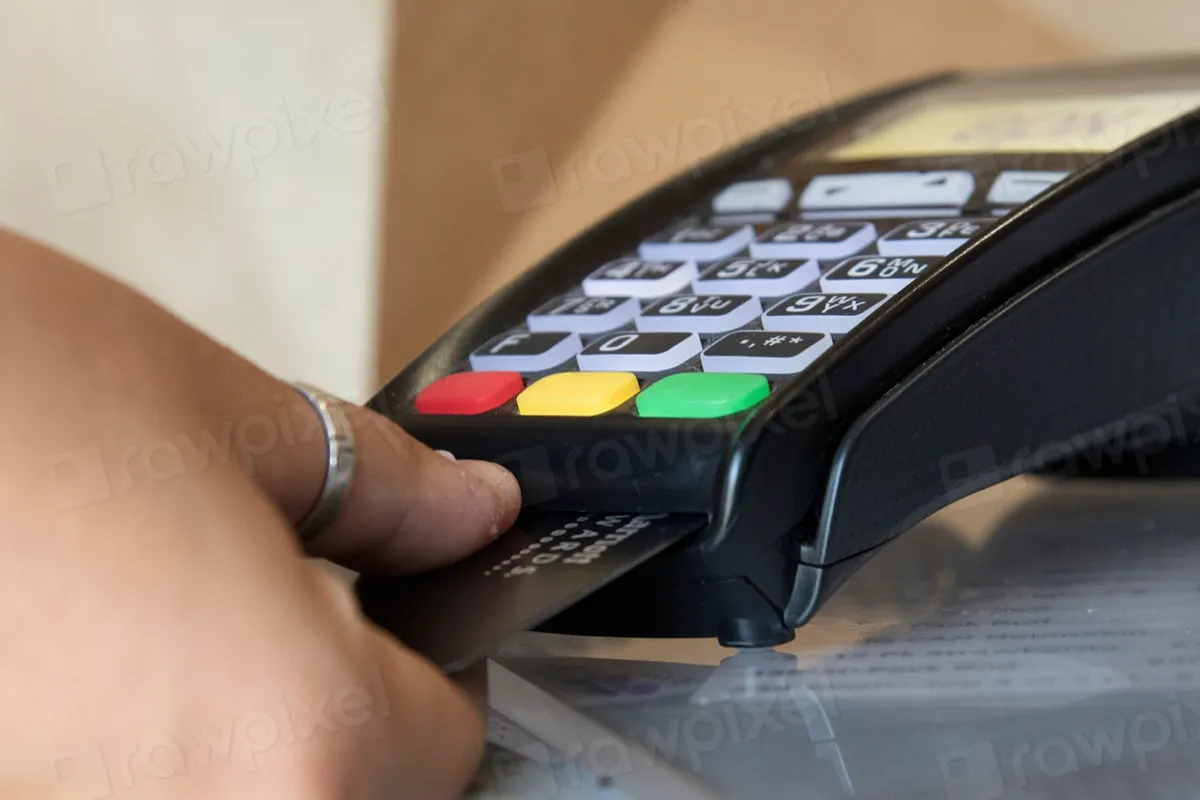
Why a French bank account matters for expats
Opening a French bank account is one of the first practical steps for anyone seriously planning a move to France. It provides the financial backbone for daily life: paying rent and utilities, setting up a phone contract, receiving a salary or pension, and handling the direct debits that French life runs on. Without one, managing your finances in France becomes unnecessarily complicated and expensive, with international transfer fees and unfavourable exchange rates eating into every payment.
One common misconception is worth clearing up straight away: a French bank account is not a prerequisite for your visa application. Consulates assess your finances from bank statements issued by any bank, so your existing accounts at home are perfectly acceptable evidence. Where a local account earns its keep is after the visa, in the day-to-day business of actually living in France. French Connections HCB consistently advises clients that sorting local banking early in the move, rather than before it, is what genuinely eases the transition.
Can you open a French account before you move?
Here is the honest answer most articles skip: opening a genuine French account while you are still a non-resident abroad is harder than it looks, and many of the “easy” options recommended online do not actually deliver one.
Traditional French banks for non-residents
Traditional French banks such as BNP Paribas, Crédit Agricole and Société Générale do offer non-resident accounts, including current accounts, savings options and sometimes mortgage products, though their application processes can be stringent and time-consuming. These banks provide the security and extensive branch networks that many prefer, especially for complex financial needs. Be prepared for more paperwork and longer waits for account activation, and note that individual branches vary widely in their experience with non-resident applications. It often pays to contact a bank’s international services department directly rather than a local branch. Expect to provide proof of address, identity and income, along with a clear reason for opening an account in France.
A reality check on online banks
N26, Revolut and BoursoBank (formerly Boursorama Banque) are frequently recommended to future expats, but none of them will give you a French bank account while you are a non-resident planning your move:
- BoursoBank requires French tax residency to open an account, so it only becomes an option once you have actually moved.
- N26 opens accounts for residents of its supported countries, and the account comes with a German IBAN, not a French one.
- Revolut issues most European customers a Lithuanian IBAN.
These apps can still be genuinely useful as multi-currency travel wallets during the move, and everything with a European IBAN works across the SEPA payment area. But if what you need is a French account with a French RIB, they do not solve the problem.
Routes that genuinely work for non-residents
Two approaches reliably work. The first is to use a French bank’s international or English-speaking department, which is set up precisely for people opening accounts from abroad. The best-known example is CA Britline, Crédit Agricole’s English-speaking branch, which opens accounts for non-residents ahead of a move and handles the whole process remotely in English. The second, and often the smoothest, is simply to open your account after you arrive, when a long-stay visa and proof of a French address make you a straightforward customer for almost any bank.
Required documents for opening a French bank account
Whichever route you choose, you will typically need to provide a valid passport or national ID, proof of address (either in your home country or in France), and proof of income or financial stability. The exact requirements vary between banks and depend on your residency status, but these core documents are universally requested. Have everything ready, and ideally have documents translated into French by a sworn translator if they are not originally in English or French, to avoid delays.
Key documents you’ll need
- Valid ID: passport or EU national ID card.
- Proof of address: a recent utility bill (less than 3 months old) from your current residence, or a rental agreement or property deed if you already have a French address. If you don’t yet have a permanent French address, some banks may accept a letter of accommodation from a friend or family member, along with their proof of address.
- Proof of income or funds: recent payslips, bank statements showing sufficient funds, or a pension statement.
- French visa or residence permit: if applicable, especially once you have arrived on a long-stay visa.
- Tax identification number (TIN): from your country of origin.
- Justificatif de domicile: the French term for proof of address, and a critical document throughout French administrative life.
Practical tip: always bring original documents and several photocopies. Some banks may also require certified translations of documents not in French or English. Confirm specific requirements with your chosen bank beforehand.
If you are still at the visa-planning stage, remember that the consulate will accept statements from your existing bank. Our free visa checker can help you confirm which visa route fits your situation.
The process of opening a French bank account
The process can take anywhere from a few days to several weeks, depending on the bank and whether you apply in person or remotely. It generally involves submitting an application with all required documents and attending an appointment if necessary. International departments such as CA Britline handle everything remotely, while a walk-in application at a local branch after arrival is usually resolved within a week or two. Understanding the cost of living in France will also help you plan for any initial deposit some banks require.
Step-by-step guide
- Research and choose a bank: compare options based on fees, services and how used they are to expat customers.
- Gather documents: collect all necessary identification, proof of address and financial statements.
- Submit your application: complete the bank’s application form, remotely or in person.
- Attend an appointment (if applicable): traditional banks usually ask you to meet a conseiller (advisor).
- Activate your account: once approved, you’ll receive your RIB (Relevé d’Identité Bancaire), debit card and online banking access.
Understanding French banking terminology
Familiarising yourself with key French banking terms will help you navigate everything from direct debits to online banking with confidence. Terms like RIB, IBAN and BIC are fundamental to everyday transactions, and understanding how direct debits and standing orders work is crucial for paying bills.
Essential French banking terms
- RIB (Relevé d’Identité Bancaire): your bank identity statement, containing all your account details (IBAN, BIC, bank name, account holder). You’ll need this for almost every financial arrangement in France.
- IBAN: your unique account number for transfers.
- BIC/SWIFT: identifies your bank for international transfers.
- Carte bancaire (CB): the standard French debit card.
- Débit immédiat / débit différé: immediate or deferred debit for card transactions.
- Prélèvement automatique: direct debit, commonly used for utility bills and subscriptions.
- Virement: bank transfer.
- Compte courant: current account.
- Livret A: a popular, tax-free savings account.
Common challenges and solutions
Expats often face challenges such as proving a stable French address, navigating language barriers, and dealing with strict compliance requirements. Many banks are hesitant to open accounts for people without a permanent French address, which can feel like a Catch-22 for new arrivals. With preparation, each of these has a workable answer.
- No French address: international departments such as CA Britline are used to this. With traditional branches, a letter of accommodation from a host can sometimes work.
- Language barrier: seek out banks with English-speaking staff or dedicated international services.
- Proof of funds: make sure your bank statements clearly show sufficient funds and are easily verifiable.
- Droit au compte: France has a legal “right to an account”, but its scope is narrower than many articles claim. It is available to people domiciled in France, French nationals living abroad, and residents of another EU country. It does not cover a non-EU applicant who is still abroad. Once you have moved, though, it is a real safety net: if a bank refuses you, the Banque de France can designate a bank that must open a basic account for you.
A note for American readers: FATCA
If you are a US citizen or green card holder, expect a little extra friction. Under FATCA, French banks must report accounts held by US persons to the American authorities, and some banks respond by declining US clients or restricting them to basic current accounts rather than investment products. Everyday banking is still very achievable; you will simply be asked to complete a W-9 and should allow extra time. The reporting runs both ways: as an American you must declare your French accounts to the US via the FBAR (FinCEN Form 114) and, above certain thresholds, IRS Form 8938. Build this into your annual filing routine from year one.
Key takeaways
- A French bank account is essential for daily life in France, but it is not a visa prerequisite: consulates accept statements from any bank.
- N26, Revolut and BoursoBank do not give non-residents a French account. BoursoBank requires French tax residency, and N26 and Revolut issue German and Lithuanian IBANs respectively.
- The routes that genuinely work from abroad are a bank’s international or English-speaking department, such as Crédit Agricole’s CA Britline, or simply opening an account after you arrive.
- Essential documents include valid ID, proof of address and proof of income or funds, with sworn translations where needed.
- Understanding French banking terms like RIB, IBAN and prélèvement automatique makes day-to-day finances much easier.
- The droit au compte safety net applies to people domiciled in France, French nationals abroad and EU residents, not to non-EU applicants still overseas.
- American readers should plan for FATCA: some banks restrict US persons, and French accounts must be reported on the FBAR and, where relevant, Form 8938.
Setting up your finances is just one strand of a well-planned move, and it is much easier with someone who has done it hundreds of times before. Book a consultation and we’ll help you put the whole picture together.
Thinking about your own move?
Every relocation is different. Get your free quote, or talk your plans through with the team: visas, healthcare, property and everything in between.
Start Your MoveJoin the newsletter
Relocation guidance we only send by email, not published on the blog, and our free Moving to France guide as soon as you sign up.
By subscribing you agree to our Privacy Policy. We respect your data.