

What Happens If You Overstay Your French Visa
Richard Hammond-Chambers-Borgnis · 27 June 2026
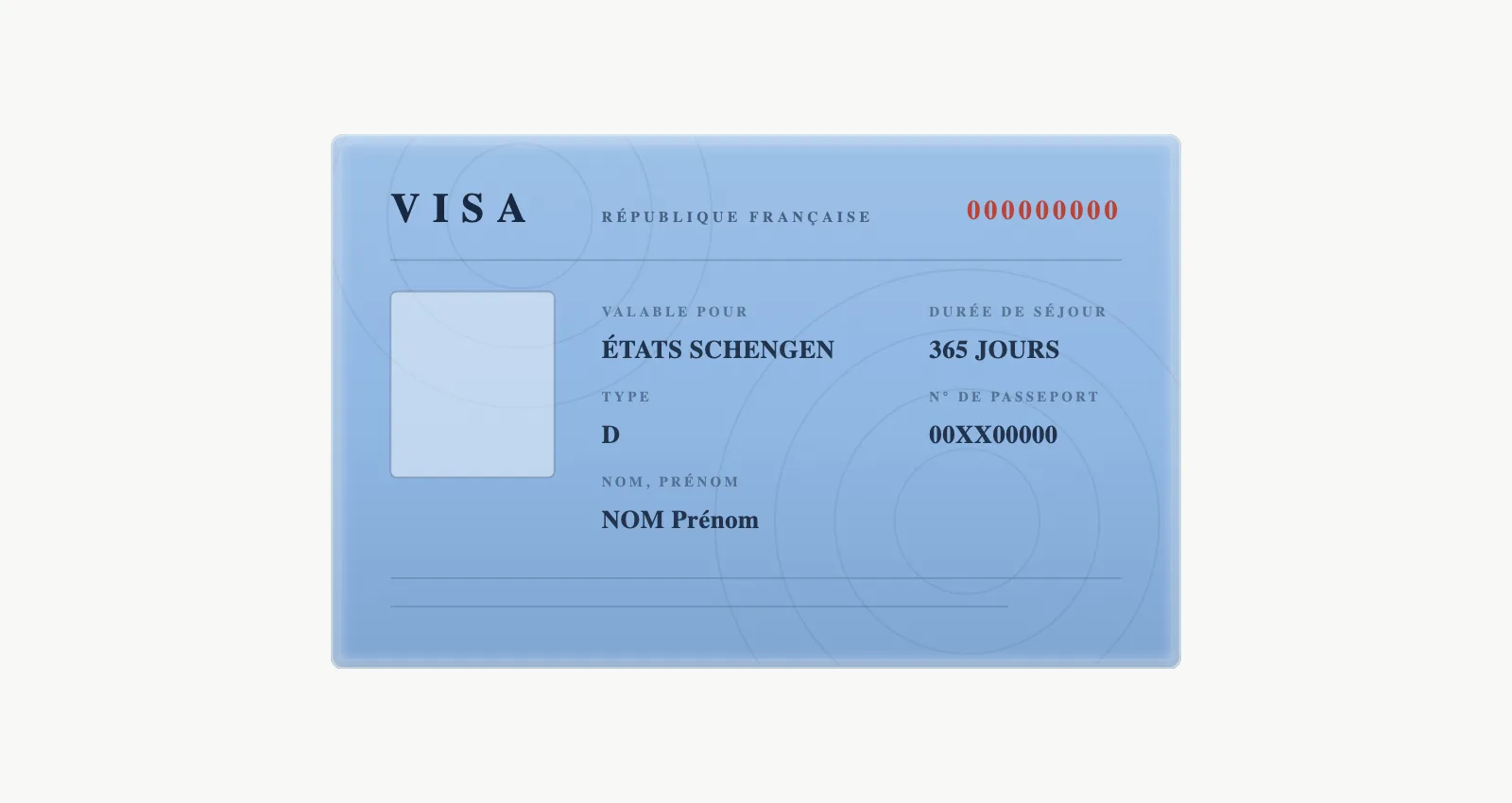
Internet forums are peppered with people asking (usually anonymously) about the consequences of overstaying in France.
Here at French Connections HCB, we thought we would explain why it matters, what actually happens, and what to do about it.
You will be noticed
There used to be a comforting myth that if your passport was not stamped, you had slipped through unnoticed. Whatever truth that ever held, it is gone now. Since April 2026 the EU’s Entry/Exit System (EES) has been fully operational at every external Schengen border: your entries and exits are recorded digitally, linked to your photo and fingerprints, and the system computes your permitted stay automatically. Overstays are not spotted by a sharp-eyed border officer any more; they are flagged by the database, and the record is visible at every Schengen border, not just French ones.
What the consequences actually are
Let us clear up a persistent misconception first: simply overstaying is not a criminal offence in France, and there is no “overstay fine” collected at the border. The consequences are administrative, and they are serious enough:
- A removal order (OQTF, obligation de quitter le territoire français), normally giving you 30 days to leave voluntarily, and now effective for up to three years.
- A re-entry ban (IRTF) often attached to it, which since the 2024 immigration law can run up to five years, and which is registered in the Schengen Information System, so it blocks the entire Schengen area, not just France.
- A recorded overstay on your EES file, which even without a formal ban can mean being refused entry next time and will count heavily against any future long-stay visa application. Once the EU’s ETIAS travel authorisation launches, a recorded overstay will also be grounds for refusing that.
Working without authorisation is a different and harsher story, though not in the way most people assume: the criminal penalties, up to five years in prison and heavy fines per worker, fall on the employer. The worker’s exposure is removal and a badly prejudiced immigration record, and using false documents is a separate criminal offence in its own right.
The most common overstay is an accident
In the majority of cases, an overstay comes from miscalculating the 90/180 rule, which applies to visa-free visitors just as strictly as visa expiry dates apply to visa holders. Travel days are the classic trap: arrive at one minute to midnight and that counts as a full day of your allocation; leave at one minute past midnight on day 90 and you are into day 91. Our guide to the 90/180 rule explains the rolling window properly, and a tool like visa-calculator.com lets you plan trips so you never get near the line.
One silver lining of the EES era: because your exit is recorded too, a short accidental overstay that you correct yourself, by leaving promptly, looks very different on the record from one that ends with a removal order.
If you are already over
Our advice is always to deal with the situation head on, and quickly. In many cases the best thing you can do is leave immediately, before the situation escalates from a recorded overstay into formal proceedings.
If there is a genuinely insurmountable reason you cannot leave, contact your local préfecture as a matter of urgency. Visas are issued by consulates, but the préfecture can, in exceptional circumstances, extend a short stay: force majeure, a medical emergency, or a serious family event, always with supporting documents, up to a maximum total stay of 90 days and for a modest fee.
And a note for residents rather than visitors: letting a long-stay visa or residence permit lapse before renewing is a different, far less dramatic situation. A late renewal application triggers a €180 regularisation charge, not a removal order, though it is still much better avoided. If your renewal is looming, our carte de séjour renewal guide walks through the process.
Talk to us before it becomes a problem
An important part of our role as administration specialists is keeping you on the right side of the rules, but we always prefer to offer solutions rather than lectures. If you are worried about an overstay, or you can see one coming and want to get ahead of it, book a consultation with our visa specialist to discuss your situation. Meanwhile, take a moment to check your dates and make sure you are in the clear.
Thinking about your own move?
Every relocation is different. Get your free quote, or talk your plans through with the team: visas, healthcare, property and everything in between.
Start Your MoveJoin the newsletter
Relocation guidance we only send by email, not published on the blog, and our free Moving to France guide as soon as you sign up.
By subscribing you agree to our Privacy Policy. We respect your data.