

French Bureaucracy Survival Guide: Préfecture, Mairie and Paperwork Tips
Richard Hammond-Chambers-Borgnis · 31 July 2026
Moving to France is an exciting adventure, filled with dreams of croissants, charming villages, and a relaxed pace of life. However, beneath the romantic veneer lies a reality that every expat must confront: French bureaucracy. The good news is that with the right preparation and a bit of patience, you can navigate the préfecture, mairie, and all the associated paperwork like a seasoned pro. This comprehensive guide from French Connections HCB will equip you with the practical, actionable advice you need to conquer French bureaucracy and settle into your new life with minimal stress.
Understanding the French administrative landscape: préfecture, mairie and ANEF
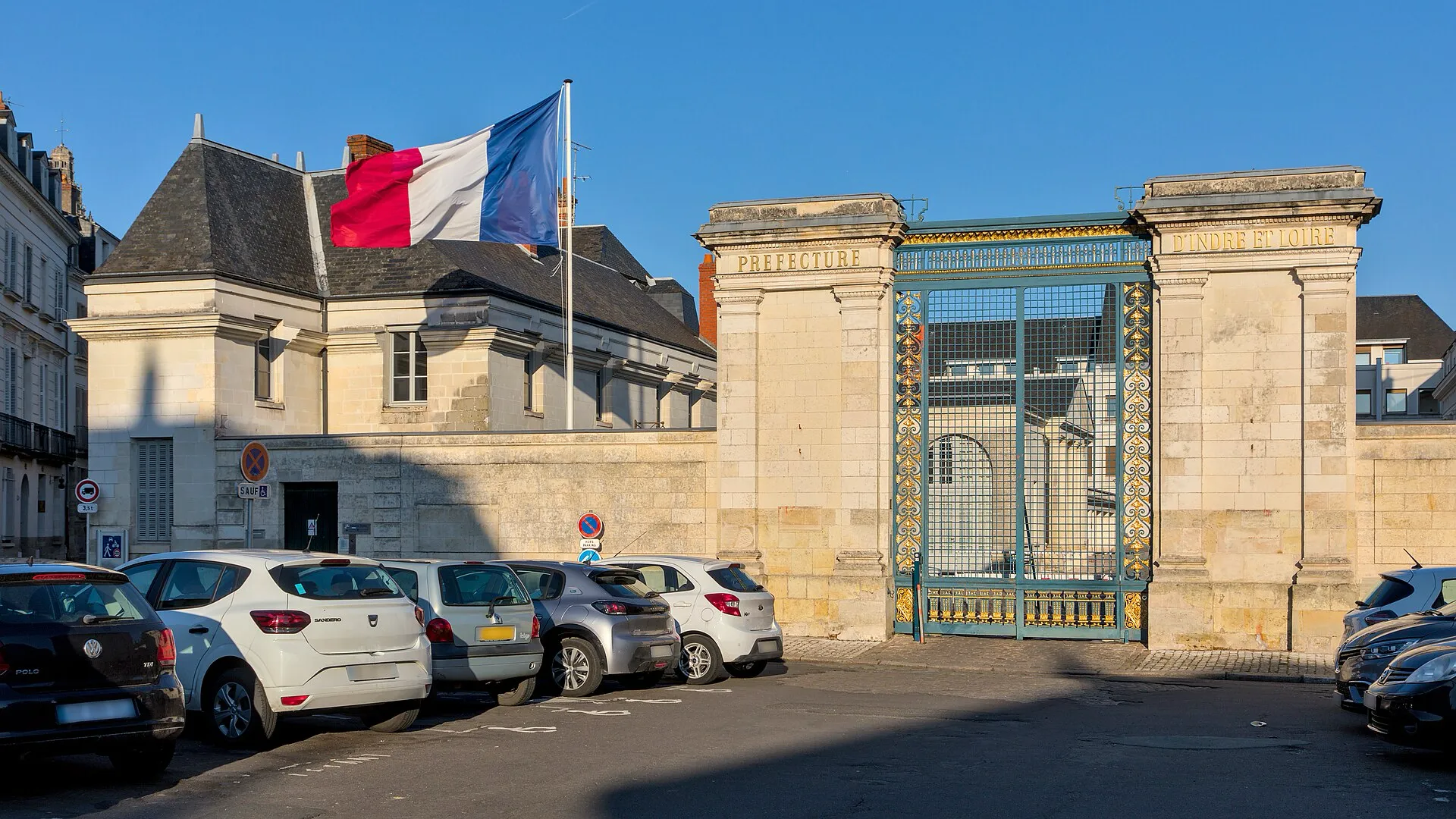
The French administrative system is highly decentralised, with key functions split between national and local government bodies, primarily the préfecture and the mairie. The préfecture is a departmental-level body that acts as the local representative of central government, and it remains the place where residence formalities physically happen: biometrics appointments, document checks and collecting your residence card. In practice, though, most residence-permit applications and renewals are now submitted online through the ANEF portal (administration-etrangers-en-france.interieur.gouv.fr) rather than over a préfecture counter. One task that has left the préfecture entirely is the driving licence exchange: since 2017 this is handled online through the ANTS (France Titres) website, with applications processed centrally by the CERT in Nantes, so there is no local appointment to book for it.
The mairie (town hall), by contrast, is the municipal administrative body responsible for local services such as civil registration (births, marriages, deaths), electoral lists, school enrolment, urban planning and local permits, serving the immediate needs of residents within a commune. Understanding this distinction is crucial for knowing where to direct your enquiries and applications. Your initial visa application is processed by the French consulate in your home country; once you arrive in France, your residence permit is handled through ANEF and your local préfecture. Getting married or enrolling your children in school, on the other hand, will involve your local mairie.
Preparing for your préfecture appointment: the key to success
Even with applications moving online, you will still need to attend the préfecture in person at key moments, typically to give fingerprints and to collect your residence card, and in some departments appointment slots are booked up weeks or even months in advance. The best strategy is to anticipate your needs well in advance and book your appointment as soon as you know you’ll require one, usually online through the préfecture’s website or the ANEF portal. To ensure a smooth appointment, meticulously gather all required documents, as even a single missing paper can result in your application being rejected and a new appointment being necessary. Always check the specific préfecture’s website for their exact list of required documents, as these can vary slightly by department. Common documents include your passport, visa, proof of address (justificatif de domicile), birth certificate (often requiring an apostille and translation), and proof of financial resources.
Top tips for a successful préfecture visit
- Arrive early: aim to arrive at least 15–20 minutes before your scheduled time.
- Dress smartly: while not mandatory, presenting yourself professionally can leave a good impression.
- Be patient: bureaucracy takes time. Expect potential delays and bring something to read.
- Be polite: a friendly and respectful attitude goes a long way.
- Bring originals AND copies: always have both, even if they only ask for copies.
- Organise your documents: use a folder with dividers to keep everything in order.
Navigating the mairie: your local administrative hub
The mairie is your first point of contact for many aspects of daily life in France, from enrolling children in school to obtaining official copies of civil records. One thing that surprises many new arrivals: unlike Germany’s Anmeldung or similar systems elsewhere in Europe, France has no general requirement to register your address with the town hall. Your proof of address (a utility bill, rental agreement or property deed) is simply a document you produce when banks, the tax office or the préfecture ask for it, not something you file at the mairie. Where the mairie does come in is for civil status declarations, such as declaring a birth or death, for marriages, and for obtaining official copies of civil records. Many mairies now offer online services for certain procedures, so it’s always worth checking their website first.
Key mairie services for expats
- Civil status records: birth, marriage, and death certificates.
- School enrolment: for children attending local schools.
- Electoral roll registration: if you’re eligible to vote in local elections.
- Urban planning: for building permits or property modifications.
Remember, the staff at the mairie are there to help, and a little effort to speak French, even if basic, will be greatly appreciated. Don’t be afraid to ask for clarification if you don’t understand something.
Essential French paperwork expats need to master
Beyond the préfecture and mairie, a mountain of paperwork awaits every expat in France. The most common pitfall for new arrivals is underestimating the sheer volume and specific requirements for each document. For instance, when applying for a French visa, you’ll need to provide comprehensive financial proof, often benchmarked against the French minimum wage (SMIC), which is €1,823.03 gross per month as of January 2026 and is set to rise to around €1,867 from June 2026. Our visa checker will help you identify which visa route fits your situation and what it requires. Understanding the nuances of each document and its purpose will save you considerable time and frustration.
Common documents you’ll encounter
- Justificatif de domicile: proof of address (utility bill, rental agreement).
- Acte de naissance: birth certificate (often apostilled and translated).
- Livret de famille: family record book (for married couples with children).
- RIB (Relevé d’Identité Bancaire): bank account details.
- Attestation d’assurance: proof of insurance (health, home, car).
- Titre de séjour: residence permit.
- Numéro fiscal: tax identification number.
- Numéro de sécurité sociale: social security number.
It’s highly recommended to create a dedicated folder, both physical and digital, for all your important documents. Scan everything and keep digital copies on a cloud service for easy access. This proactive approach will be invaluable when you inevitably need to produce a document at short notice.
The importance of French language skills in bureaucracy
While some larger cities and tourist areas may have English-speaking staff, relying on English for official administrative procedures in France is a risky strategy and can lead to misunderstandings and delays. A basic understanding of French is not just polite; it’s a practical necessity for navigating the administrative system effectively, as many forms and official communications are exclusively in French. Even a conversational level of French will significantly improve your interactions and reduce stress. Consider taking French lessons before you move or enrolling in a language course upon arrival. Many mairies offer free or subsidised French classes for new residents.
Dealing with delays and rejections: patience is a virtue
French bureaucracy is renowned for its thoroughness, which often translates into lengthy processing times and, occasionally, rejections if applications are incomplete or incorrect. The processing time for a long-stay visa, for example, can range from 2 to 4 weeks, but can extend significantly during peak seasons or for more complex cases. If your application is delayed or rejected, don’t panic. First, understand the reason for the delay or rejection. Often, it’s due to a missing document or a minor error. Re-read the official communication carefully, gather any additional requested information, and resubmit your application promptly. Persistence and a calm approach are your best allies, and with expert guidance these hurdles are almost always surmountable.
Healthcare and social security: a key administrative step
Integrating into the French healthcare system is one of the most critical administrative steps for any expat, ensuring access to quality medical care and reimbursement for health expenses. Obtaining your French social security number (numéro de sécurité sociale) is paramount, as this unique identifier is essential for accessing healthcare, opening a bank account, and even for employment. The process typically involves registering with CPAM (Caisse Primaire d’Assurance Maladie) after you have established residency and begun working or are otherwise eligible. Our comprehensive French healthcare guide provides detailed steps on how to navigate this vital process, including information on the carte Vitale and complementary health insurance.
Financial administration: setting up your life
Managing your finances in France requires several administrative steps, including opening a French bank account and understanding the tax system. Opening a bank account is often a prerequisite for many other administrative procedures, such as receiving your salary or paying utility bills, and typically requires proof of identity, address, and sometimes your visa or residence permit. French tax declarations can be complex, and it’s advisable to seek professional advice, especially in your first few years. Understanding the cost of living in France will also help you budget effectively for these administrative fees and daily expenses.
Key takeaways: your French bureaucracy checklist
- Anticipate and prepare: start applications early, book any préfecture appointments well in advance, and gather all documents meticulously.
- Understand the roles: residence permits go through the ANEF portal with the préfecture handling biometrics and card collection; driving licence exchanges are online via ANTS; the mairie handles civil registration, schools and local services.
- Organise documents: maintain both physical and digital copies of all essential paperwork.
- Learn French: even basic French skills significantly ease administrative interactions.
- Be patient and persistent: delays are common; approach challenges calmly and methodically.
- Secure social security: obtaining your numéro de sécurité sociale is crucial for healthcare and other services.
- Seek expert help: French Connections HCB offers personalised support to navigate complex procedures.
French bureaucracy can seem daunting, but with a structured approach and the right information, it’s entirely manageable. Think of each administrative hurdle as a step closer to fully embracing your new life in France. If you’d like personalised support with your move, book a consultation and we’ll help you every step of the way.
Cover photo: Benjamin Smith, the préfecture at Tours, CC BY-SA 4.0.
Thinking about your own move?
Every relocation is different. Get your free quote, or talk your plans through with the team: visas, healthcare, property and everything in between.
Start Your MoveJoin the newsletter
Relocation guidance we only send by email, not published on the blog, and our free Moving to France guide as soon as you sign up.
By subscribing you agree to our Privacy Policy. We respect your data.