

French Visitor Visa vs. Long-Stay Visa: Which Do You Need?
Richard Hammond-Chambers-Borgnis · 10 July 2026
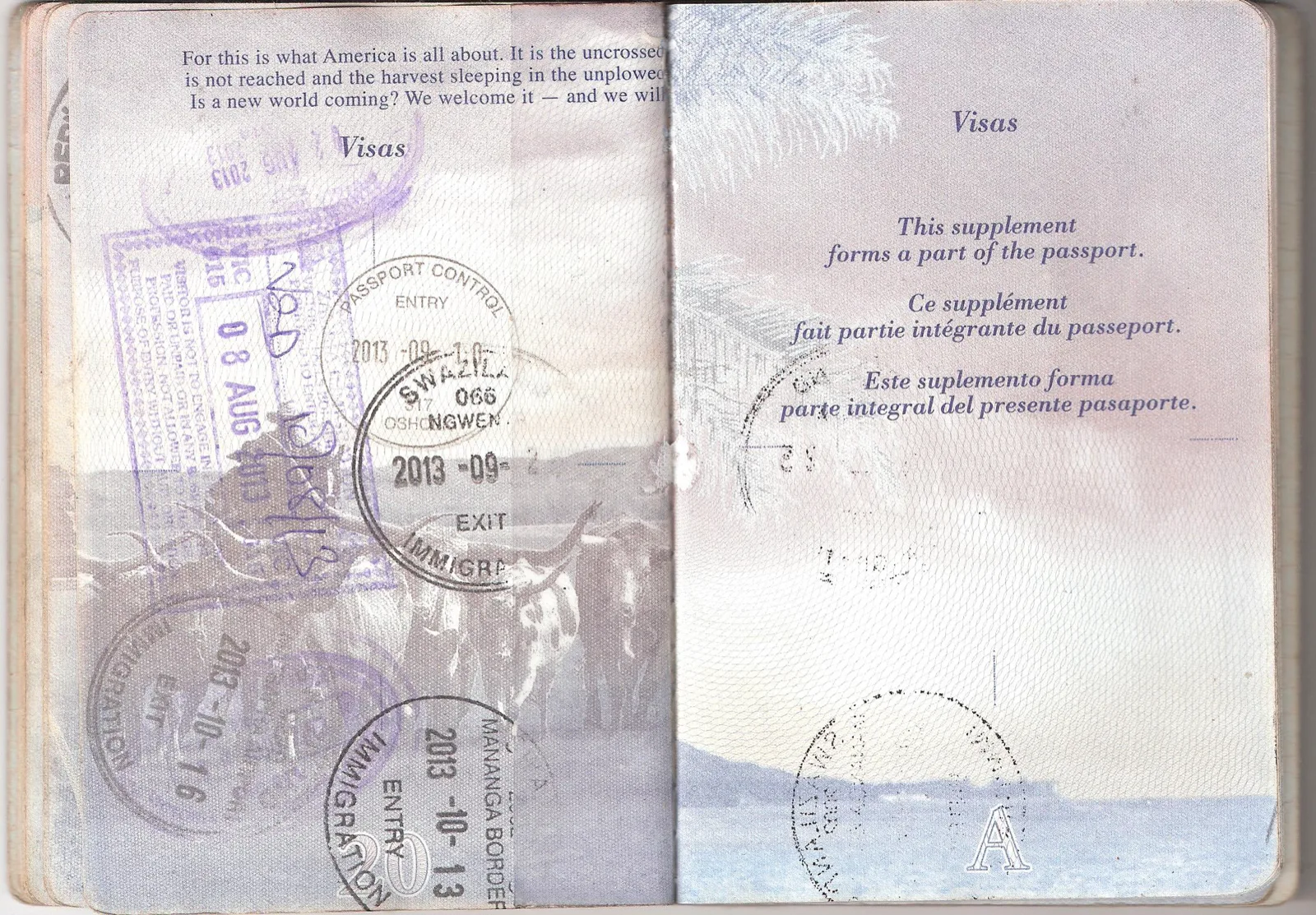
Bonjour, future French resident! If you’re dreaming of sipping coffee on a Parisian terrace or enjoying the rolling vineyards of Bordeaux, the first crucial step is understanding the French visa landscape. It can feel like a labyrinth, but it doesn’t have to. Choosing the correct visa from the outset is paramount for a smooth relocation to France, setting the stage for your new life without unnecessary bureaucratic headaches. At French Connections HCB, we help 30–40 people every month navigate these exact decisions.
First, a note on naming, because it trips up almost everyone: when people say “French visitor visa”, they sometimes mean the short, visa-free stay tourists use, and sometimes the official long-stay visitor visa (visa de long séjour visiteur) for people living in France without working. This guide walks through both routes so you can see exactly which one your plans require.
Understanding the 90-day rule for short stays in France
The Schengen “90/180-day rule” dictates that non-EU citizens, including those from the UK, US, Canada, Australia, and New Zealand, can stay in the Schengen Area for a maximum of 90 days within any 180-day period without needing a long-stay visa. This rule is crucial for anyone planning a short trip or considering a longer stay, as overstaying can lead to significant penalties, including fines, deportation, and future entry bans to the Schengen Area. The 90-day period applies cumulatively across all Schengen countries, meaning any time spent in one Schengen country counts towards the total, and it resets only after you have spent 90 days outside the zone. For eligible nationalities (including Americans and Britons) this short-stay allowance is visa-free: you simply enter on your passport. Other nationalities need a short-stay Schengen visa (Type C). For example, a British citizen can visit France for up to 90 days in any 180-day period without applying for a visa in advance, but for stays exceeding this, a long-stay visa is mandatory.
What is the Schengen short-stay visa (Type C)?
The Schengen short-stay visa (Type C) permits non-EU nationals whose nationality requires a visa to enter and remain in France and the wider Schengen Area for tourism, business, or family visits for a maximum duration of 90 days within any 180-day period. This visa is generally not required for citizens of many countries, including the UK, USA, Canada, Australia, and New Zealand, who are granted visa-free entry for short stays. For other nationalities, obtaining this visa is a prerequisite for entry, and the application typically involves proving the purpose of your visit, sufficient financial means, and travel insurance. The application fee for a Schengen short-stay visa is €90 for adults (the rate since June 2024), with reduced fees for children, and processing usually takes around 15 days, though it can extend to 45 days in some cases.
Key characteristics of the short-stay route:
- Duration: Up to 90 days within a 180-day period.
- Purpose: Tourism, business, family visits, short-term studies, or transit.
- Work: Generally, no right to work.
- Extension: Extremely difficult to extend, only in exceptional circumstances.
- Cost: €90 (subject to change) for most applicants requiring a visa.
Practical tip: Calculate your Schengen days carefully!
Use the official Schengen calculator provided by the European Commission to track your days in the Schengen Area. This will help you avoid accidental overstays and potential penalties. Always factor in your arrival and departure dates as full days.
When do you need a French long-stay visa (visa de long séjour)?
You need a French long-stay visa (visa de long séjour) if you intend to reside in France for more than 90 days, whether for work, study, family reunification, or simply as a financially independent visitor, as this visa is the gateway to French residency. This visa is essential for anyone planning a permanent relocation, a sabbatical lasting several months, or extended family visits, and it comes in various categories tailored to your specific purpose, such as visitor, student, employee, or entrepreneur. The application process for a long-stay visa is significantly more involved than for a short-stay visa, requiring extensive documentation, proof of financial stability, and often an interview, with processing times typically ranging from 3 weeks to 3 months.
Types of French long-stay visas:
The French long-stay visa comes in several flavours, each designed for a specific purpose. Understanding which one applies to you is critical for a successful application. French Connections HCB can provide personalised guidance on which visa category best suits your individual circumstances.
1. Long-stay visa for visitors (visa long séjour visiteur)
The French long-stay visitor visa is ideal for individuals who wish to live in France for more than 90 days without working, typically retirees, those on sabbatical, or individuals with independent means. This is the visa people usually mean when they talk about “the French visitor visa”. Applicants must prove they have sufficient financial resources to support themselves without engaging in professional activity in France: plan on at least €1,500 per month as a baseline, with some consulates looking for €1,800–€2,000 for a couple, and hold comprehensive health insurance. You will also need to commit to not working in France and often provide a déclaration sur l’honneur (declaration on honour) to that effect. This visa is issued as a VLS-TS valid for up to one year: you validate it online within three months of arrival, after which it acts as your residence permit for that first year, with no separate permit to apply for on arrival.
2. Long-stay visa for students (visa long séjour étudiant)
For those pursuing education in France, the student long-stay visa is your path. This visa requires proof of acceptance into a French educational institution, sufficient funds to cover living expenses (€877.50 per month, the official rate since August 2026), and comprehensive health insurance. It allows you to study and, in many cases, work part-time (up to 964 hours per year) to supplement your income. The application process often involves Campus France, a national agency promoting French higher education.
3. Long-stay visa for employees (visa long séjour salarié)
If you have secured a job offer from a French employer, the long-stay employee visa is the correct category. Your employer will typically initiate part of the application process in France, obtaining necessary work authorisations from the French labour authorities (DREETS). You will then apply for the visa at the French consulate in your country of residence, providing your employment contract and other supporting documents. This visa is tied to your employment and allows you to live and work in France.
4. Long-stay visa for family reunification (visa long séjour regroupement familial)
This visa is for family members of a non-EU national already residing legally in France, allowing them to join their spouse, children, or parents. The process is initiated by the family member already in France through the Office Français de l’Immigration et de l’Intégration (OFII) and requires proof of stable and sufficient resources, adequate housing, and family ties. This visa is crucial for keeping families together when relocating.
Key differences: short-stay vs. long-stay visa
The fundamental difference between the short-stay and long-stay routes lies in their permitted duration and purpose, with the short-stay option strictly limited to 90 days for short trips and the long-stay visa designed for stays exceeding this period, leading to residency. The table below provides a clear comparison to help you quickly identify which visa aligns with your plans for France. Understanding these distinctions is paramount for a successful application and avoiding any complications with French immigration authorities. French Connections HCB regularly advises clients on these crucial differences, ensuring they apply for the correct visa category from the outset.
| Feature | Schengen short-stay (Type C) | French long-stay visa |
|---|---|---|
| Duration | Up to 90 days within any 180-day period | More than 90 days (typically 4 months to 1 year; the VLS-TS is renewable from within France) |
| Purpose | Tourism, business, short visits, transit | Residency, work, study, family reunification, retirement |
| Right to work | Generally NOT permitted | Permitted depending on visa type (e.g. employee, student) |
| Residence permit | No, does not lead to residency | Yes: once validated online, a VLS-TS acts as your residence permit, later renewable as a carte de séjour |
| Application complexity | Relatively simpler (for those who need one) | More complex, extensive documentation required |
| Required documents | Proof of purpose, accommodation, funds, travel insurance | Proof of purpose, accommodation, funds, comprehensive health insurance and more |
| Cost | €90 (if required) | €99 for most categories, plus a €300 validation tax paid online after arrival (€100 for students) |
| Processing time | 15–45 days | 3 weeks to 3 months (can vary significantly) |
Navigating the application process: step-by-step guidance
The French visa application process, whether for a short or long stay, involves several critical steps that must be followed precisely to ensure a successful outcome. The general process for both visa types includes gathering necessary documents, completing the online application form, booking an appointment at a VFS Global centre or consulate, attending the appointment, and awaiting a decision. For long-stay visas, one more step follows your arrival in France: you validate your visa online on the ANEF platform (Administration Numérique pour les Étrangers en France) within three months. A long-stay visa issued for a year is typically marked “VLS-TS” (visa de long séjour valant titre de séjour), meaning that once validated it acts as your residence permit for its duration, so there is no separate residence permit to apply for on arrival.
Essential documents for your French visa application:
While specific requirements vary by visa type and nationality, some documents are universally needed. Always check the official France-Visas website for the most up-to-date and precise list for your situation. At French Connections HCB, we provide our clients with bespoke document checklists to ensure nothing is missed.
- Passport: Valid for at least three months beyond your intended departure date from the Schengen Area (for short stays), or roughly three months beyond your visa’s expiry date (for long stays), with blank pages for the visa.
- Application form: Completed and signed online via the France-Visas portal.
- Photographs: Recent, passport-sized, compliant with Schengen standards.
- Proof of accommodation: Hotel bookings, a rental agreement, or proof from a host: an attestation d’accueil for short stays, or an attestation d’hébergement (a letter from your host) for long stays.
- Proof of financial means: Bank statements, salary slips, or a letter from a sponsor demonstrating sufficient funds for your stay. For a long-stay visitor visa, plan on at least €1,500 per month as a baseline; some consulates look for €1,800–€2,000 for a couple.
- Travel insurance: Comprehensive medical travel insurance covering at least €30,000 for medical emergencies, repatriation, and hospitalisation for short-stay visas. For long-stay visas, comprehensive private health insurance or proof of eligibility for the French healthcare system is required. Learn more about the French healthcare system.
- Motivation letter: Explaining your reasons for wanting to move to France and your plans while there (especially for long-stay visas).
- Online validation after arrival: For long-stay VLS-TS visas, there is no longer a paper OFII form; you validate your visa online on the ANEF platform within three months of arrival and pay the validation tax there.
Practical tip: Start early and be meticulous!
Visa applications, especially for long-stay, can be time-consuming. Begin gathering documents well in advance of your intended travel date, ideally 3–6 months. Double-check every single requirement and ensure all documents are translated into French by a sworn translator if necessary. Incomplete applications are the most common reason for delays or refusals.
The importance of comprehensive health insurance for your French visa
Securing appropriate health insurance is a mandatory requirement for both short-stay and long-stay visas, ensuring you are covered for medical emergencies during your stay. For a short-stay Schengen visa, you need travel insurance with a minimum coverage of €30,000 for medical emergencies and repatriation. For a long-stay visa, the requirements are more stringent; you’ll need comprehensive private health insurance that covers you for the entire duration of your initial visa or until you become eligible for the French state healthcare system, PUMa, which residents can typically join after three months of stable residence. For example, if you are applying for a long-stay visitor visa, you will typically need to show proof of private health insurance for the first year. Understanding the French healthcare system is vital for long-term residents.
Considering your long-term plans: beyond the initial visa
Your initial long-stay visa is just the first step towards establishing residency in France. A VLS-TS, once validated online, is your residence permit for up to one year. To continue your stay beyond that, you apply for a carte de séjour before your visa expires; a long-stay visitor, for example, applies for a carte de séjour visiteur. Renewing usually requires demonstrating continued adherence to the conditions of your visa, such as sufficient financial resources and health insurance.
One important distinction to check on your visa: only the VLS-TS can be validated and renewed from within France. If you are issued a VLS-T (visa de long séjour temporaire), it cannot be renewed or converted in France; you would need to return home and make a fresh application. If your plans are long-term, make sure your application reflects that from the start.
Planning for your long-term residency is crucial, including understanding the cost of living in France and potentially buying property in France.
Key takeaways
- Short stays of up to 90 days within any 180-day period are visa-free for many nationalities (or covered by a €90 Schengen Type C visa where required) and never lead to residency.
- A French long-stay visa is mandatory for stays exceeding 90 days and is the pathway to French residency.
- Long-stay visas are categorised by purpose (visitor, student, employee, family reunification) and have distinct requirements and processing times, typically costing €99.
- The “90/180-day rule” is strictly enforced for short stays, and overstaying can result in penalties and future entry bans to the Schengen Area.
- Comprehensive health insurance is a non-negotiable requirement for all French visa applications, with stricter demands for long-stay visas.
- The application process for long-stay visas is detailed and requires meticulous preparation of documents, including proof of financial means (at least €1,500 per month as a baseline for the visitor route; some consulates look for €1,800–€2,000 for a couple).
- Upon arrival in France with a VLS-TS, you must validate it online on the ANEF platform within three months; once validated, it acts as your residence permit for its duration.
Choosing the right visa from the outset sets the tone for your whole move to France. If you’d like personalised guidance on which route fits your plans, book a consultation with our team.
Thinking about your own move?
Every relocation is different. Get your free quote, or talk your plans through with the team: visas, healthcare, property and everything in between.
Start Your MoveJoin the newsletter
Relocation guidance we only send by email, not published on the blog, and our free Moving to France guide as soon as you sign up.
By subscribing you agree to our Privacy Policy. We respect your data.