

Setting Up Utilities in France: A Handy Checklist for Expats
Richard Hammond-Chambers-Borgnis · 3 April 2026
Setting up utilities in your new French home is a key element of a successful transition into life in France. As an English-speaking newcomer, it helps enormously to know which providers to call, what reference numbers they will ask for, and how payment actually works here. This checklist walks through electricity, gas, water and internet in turn, with the details as they stand in 2026.
One general tip before you start: aim to have everything arranged before, or on, move-in day. Supply is usually left on between occupants, but contracts do not transfer, and an unclaimed meter can be cut.
1. Electricity
EDF remains the historic supplier, and its regulated Tarif Bleu is still the safe default that most newcomers start with. The market is fully open, though, and around forty alternative suppliers compete on price, including TotalEnergies, Engie, Octopus Energy, Vattenfall and ekWateur. Comparison sites such as Selectra can line the offers up for you.
- Choose a provider and tariff. Tarif Bleu is the benchmark; alternatives typically undercut it by a few percent.
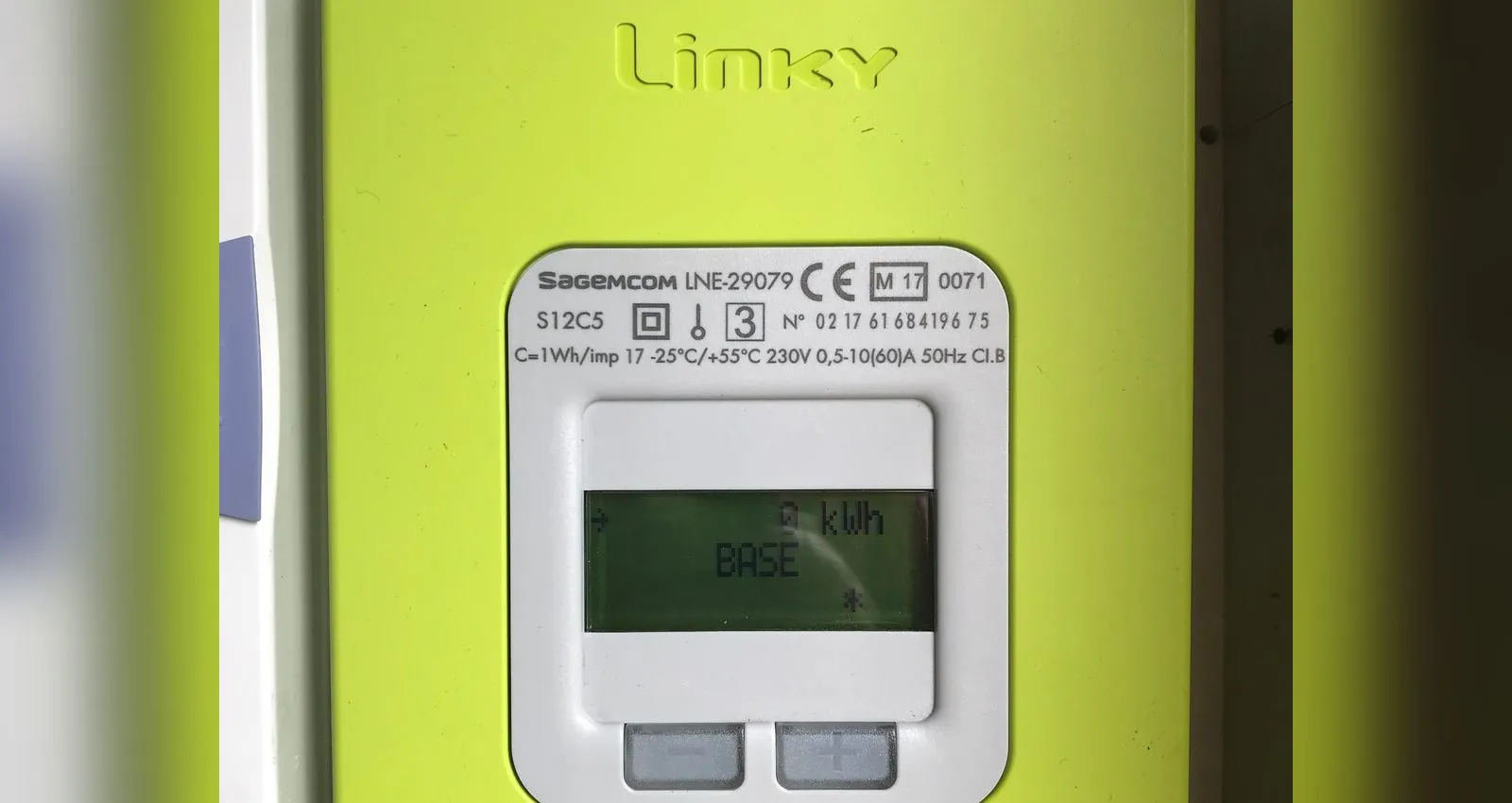
- Contact the provider with your address, the previous occupant’s name if you know it, and your meter reference. This is the 14-digit Point de Livraison (PDL), shown as PRM on the display of Linky meters. It identifies your supply point on the Enedis distribution network.
- Activation is usually remote. The vast majority of French homes now have a Linky smart meter, so the supply is switched on remotely within a day or two, with no technician visit. Only older meters still need an appointment. Either way, a small one-off activation fee from Enedis appears on your first bill.
2. Gas
Mains gas is supplied by the same competitive market: Engie, TotalEnergies, EDF and others, with bundled electricity-and-gas deals common. Two things changed in recent years that older guides miss: the regulated gas tariff was abolished in mid-2023, so every residential contract is now a market offer, and the energy regulator (CRE) publishes a monthly benchmark price, the prix repère, to compare offers against. The network itself is run by GRDF, and the meter reference you will be asked for is the Point de Comptage et d’Estimation (PCE). Rural properties beyond the mains network typically run on propane or butane tanks instead.
3. Water
Water is the one utility where you have no choice of provider. It is organised by the commune and run either by a municipal régie or a delegated operator such as Veolia, Suez or Saur. Ask your estate agent, landlord or the mairie which one covers your address, then contact them with your address, move-in date and bank details. They may ask for a meter reading to open the account.
4. Internet and home phone
The big four providers are Orange, SFR, Free and Bouygues Telecom, each with cheaper online-only brands (Sosh, RED, B&You). France is now a fibre-first country: around 95% of premises can be connected, the old copper ADSL network is being switched off commune by commune through 2030, and landline numbers are simply VoIP services through your internet box.
- Choose an offer. Fibre starts at roughly €23–26 a month with the budget brands, more for the full-service bundles with TV.
- Give the provider your address. For fibre they will locate your building in the national database; if the flat already has a fibre socket (PTO), give them its reference and activation is quick.
- Book an installation if needed. A never-connected home needs a technician visit to fit the PTO, so allow a couple of weeks.
5. Payment and paperwork
- Bank account: providers set up monthly direct debit, and under EU rules they must accept any SEPA account, so a Wise or Revolut euro account with a European IBAN works. In practice a French account still smooths everything, and a US bank account will not work at all for direct debits. If you have not opened one yet, our guide to opening a French bank account covers the options.
- Proof of identity: have your passport or residence permit to hand, though most suppliers only actually need your name, address, meter reference and bank details.
- Home insurance: tenants are legally required to hold home insurance, and the attestation is often requested at key handover, so it belongs on the same to-do list as the utilities.
- One thing you can cross off: France abolished its TV licence fee in 2022, so there is nothing to register or pay on that front.
Simplify your utility setup with French Connections HCB
None of these steps is difficult on its own, but doing five of them in a second language, in your first week, while everything else about the move is also happening, is exactly when things get missed. French Connections HCB sets up utilities for clients as part of our relocation support: we liaise with providers on your behalf, in French, and make sure every account is live and correctly billed before you arrive. If that sounds like a better first week, book a consultation and tell us about your move.
Thinking about your own move?
Every relocation is different. Get your free quote, or talk your plans through with the team: visas, healthcare, property and everything in between.
Start Your MoveJoin the newsletter
Relocation guidance we only send by email, not published on the blog, and our free Moving to France guide as soon as you sign up.
By subscribing you agree to our Privacy Policy. We respect your data.